 |
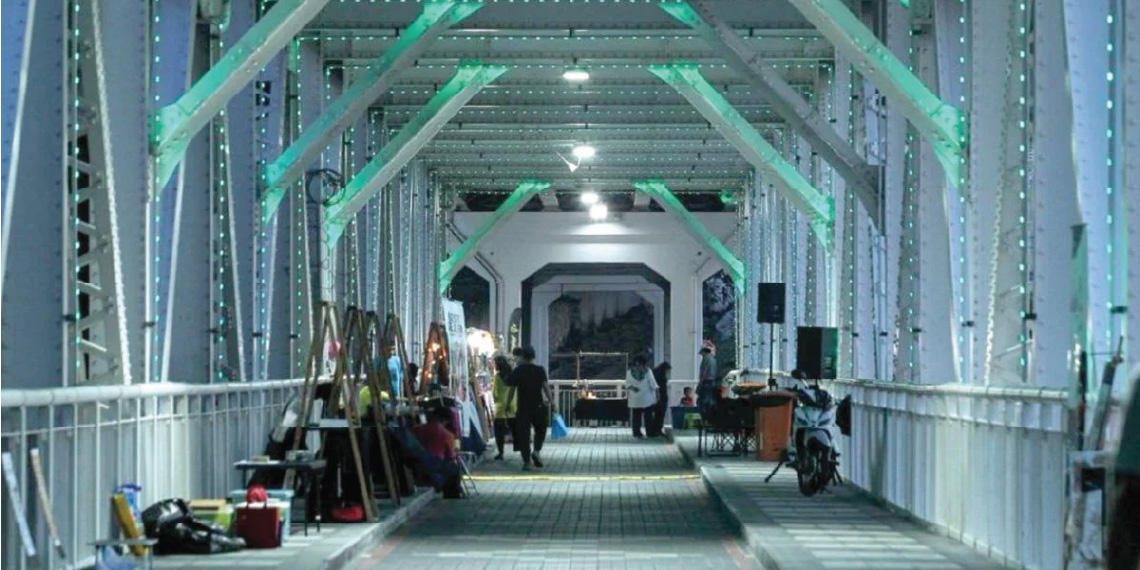
When Klang, Selangor is mentioned, many people immediately picture a royal town rich in history, cultural diversity and renowned as a food haven. Yet, behind all these attractions lies a landmark that has long faded from the tourism radar — the Klang Kota Bridge. For many years, the historic bridge spanning the Klang River was known primarily as an important link for local residents. Despite its significant architectural and historical value in the development of Klang, the bridge was largely viewed as part of the town's everyday infrastructure rather than a heritage destination capable of attracting tourists. However, the situation began to change with the introduction of **VolunHeritage @ Jambatan Kota Klang**, through a strategic collaboration with the Royal City Council of Klang (MBDK). This community-based cultural tourism initiative proves that heritage spaces can be given a new lease of life through community involvement without the need for large-scale physical development. According to 2705 Events and VolunHeritage founder Shaiful Azli Muhamad Surol, the initiative initially began as a pilot project but has since grown into a weekly programme held every Saturday evening until midnight. 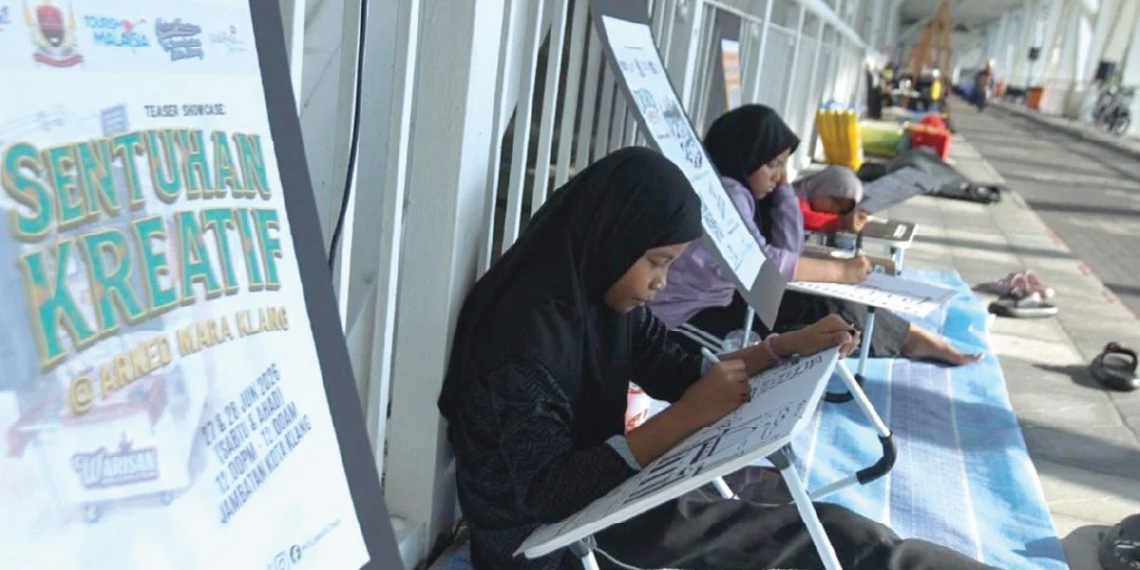 Within a few hours, the Klang Kota Bridge transforms into a cultural corridor that brings together heritage, art, tourism, environmental awareness and community participation in a single space. However, the journey to revive the bridge has not been an easy one. Shaiful Azli said the biggest challenge was changing public perceptions, as the bridge had long been viewed merely as a route for vehicles and pedestrians rather than a place of historical and cultural significance. “Like many heritage areas in other cities, the Klang Kota Bridge also faces the challenge of remaining relevant in an era of modern development, where various new commercial attractions are increasingly drawing attention compared to historical sites. “Based on the question of how a bridge that is gradually being forgotten could be transformed into a meaningful tourism destination without compromising its heritage authenticity, VolunHeritage chose a different approach. “The focus was placed on the concepts of placemaking, volunteerism and responsible tourism by bringing the space to life through community participation,” he said. Meanwhile, without making major physical changes, the **Seni Atas Jambatan** concept was introduced as a platform bringing together local artists, cultural practitioners, artisans, students, entrepreneurs and residents to collectively shape the identity of the public space each week. As a result, the Klang Kota Bridge now functions as a vibrant open-air cultural stage filled with a wide range of activities. Visitors can enjoy ever-changing art exhibitions, live sketching and caricature sessions, traditional cultural performances, photography exhibitions, artisan markets, storytelling sessions and various interactive activities with the community. The uniqueness of the experience lies not merely in the activities presented, but in how each programme reflects the ever-evolving identity of Klang. This approach has also transformed the way tourism is experienced. Visitors no longer simply come to observe or take photographs, but are given the opportunity to interact directly with local artists, listen to the stories of the community, participate in hands-on activities and experience heritage through human connections. Such experiences create a deeper emotional connection between visitors and a place, making it an important element in the development of sustainable tourism. From a social perspective, every Saturday sees the bridge transformed into a public space that brings together people from various backgrounds, including families, youths, artists, heritage enthusiasts, photographers, students and tourists. People who may never have known one another before now share the same space through creative activities and shared experiences. Indirectly, this strengthens social cohesion while rekindling the community's sense of responsibility towards preserving public heritage spaces. The programme also generates spillover benefits for the local economy, as micro-entrepreneurs, food vendors, artisans and small business owners are given opportunities to market their products directly to visitors in an environment that attracts the public, without having to rely solely on commercial premises. This inclusive model allows cultural tourism to grow as a source of income for grassroots communities while preserving the authenticity and integrity of local culture. 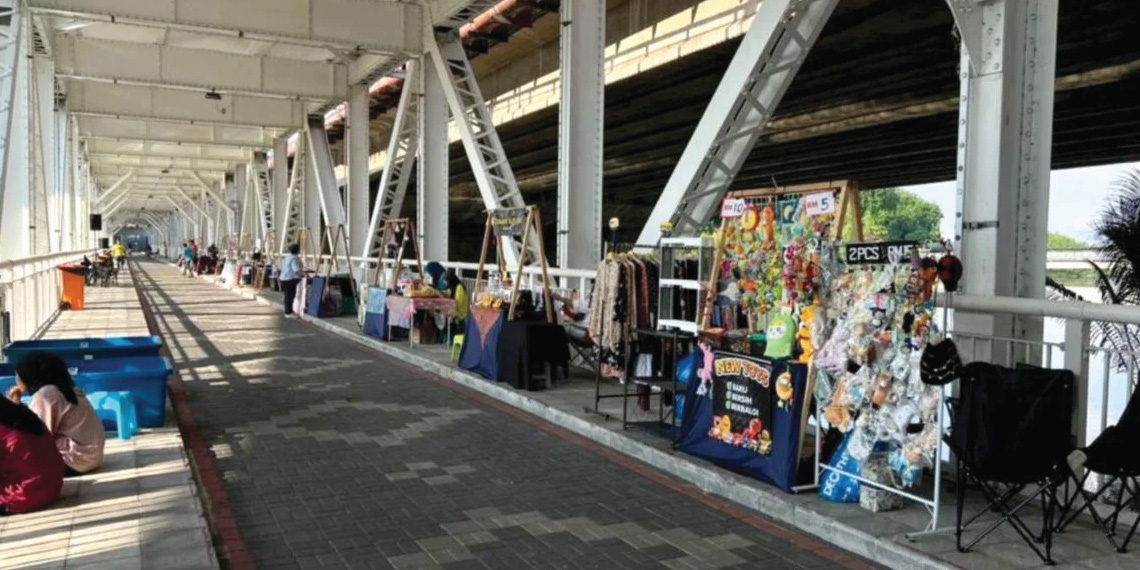 At the same time, VolunHeritage plays an important role in heritage education and preservation efforts. Through guided storytelling, historical exhibitions, traditional craft demonstrations and cultural performances, the younger generation is introduced to the intangible cultural heritage that has long formed part of Klang's identity. Today, the Klang Kota Bridge is no longer merely a crossing over the river. Instead, it has become an open-air classroom where history can be learned through real-life experiences. Public infrastructure that once served solely as a passageway has now been elevated into a cultural destination with an identity of its own. It is no longer simply a place for people to pass through, but a space where people gather, interact and return because of the experiences it offers. What is certain is that every weekend, the bridge will continue to create new stories — not merely recalling Klang's past, but also shaping a future where heritage remains alive and communities are empowered. |
 |