 |
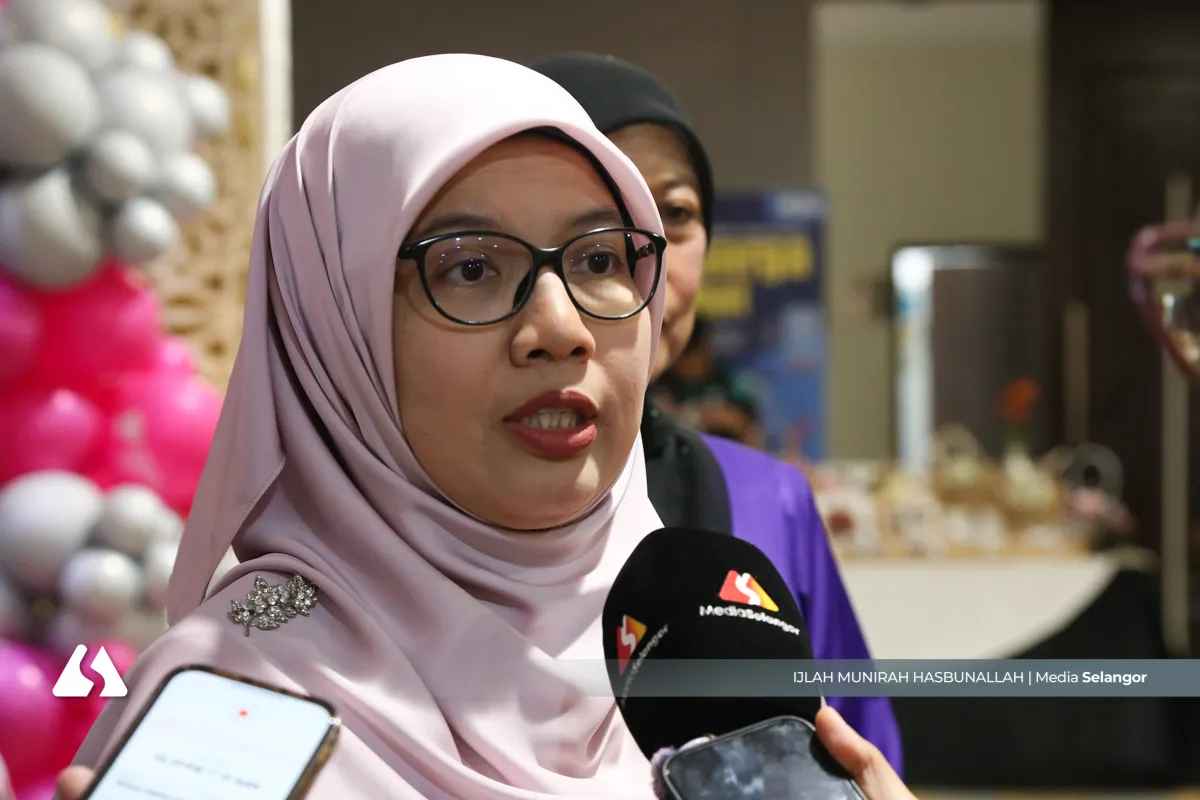
KLANG, 31 MARCH: The Selangor State Care Economy Policy 2024–2030 is set to strengthen family economic resilience, particularly by empowering the role of women in the care sector. State Executive Councillor for Women’s Development and Social Welfare, Anfaal Saari, said the policy recognizes the role of caregivers, especially women, as an important component of the state’s economic development. She said the initiative also creates space and support for women to remain in or return to active participation in the formal employment sector, thereby improving family well-being. “Working women need a safe and high-quality care system for their children. Therefore, the care sector, which is largely made up of women, must be elevated. “To ensure women remain in the formal sector, we must also recognize women’s contributions in the informal sector, namely caregiving,” she said at the Recycling Sale Program in conjunction with MBDK Women’s Month at Dewan Hamzah here today. She also urged women to play a role as family financial planners, especially in facing possible price increases due to global economic factors. According to her, the experience of the Covid-19 pandemic proved that global crises have a direct impact on family institutions, thus economic and mental preparedness is very important. “Household management is not just about the kitchen, but also includes financial planning and the ability to act as a buffer against family economic pressures. “Global crises eventually reach our dining tables, so women must ensure their families are prepared to face any challenges,” she said. Meanwhile, Menteri Besar Dato’ Seri Amirudin Shari previously said Selangor became the first state to launch a Care Economy Policy as preparation for an aging population. He said the policy focuses on five main pillars: advocacy and promotion, governance and regulation, development of the care workforce, investment and collaboration, as well as innovation, technology, and data. The policy, which runs until 2030, covers care for the elderly, children, persons with disabilities, as well as strengthening support for both formal and informal caregivers. |
 |